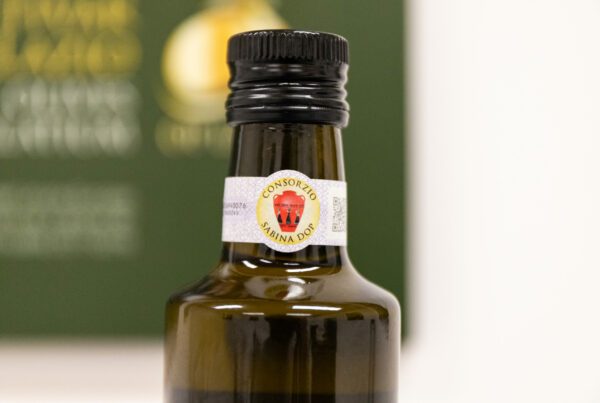
This is the dramatic picture painted by Coldiretti of the olive campaign now drawing to a close, heavily penalised by abnormal weather patterns and by plant disease outbreaks that, more than ever this year, have compromised the harvest of one of the flagship products of Rieti and Lazio agriculture. A patchy harvest trend that in some areas shows losses of up to 90% of production, with some areas of the province now on their knees, with consequences that will affect the entire supply chain; there is a risk of losing market share and customer loyalty to the advantage of oils from countries such as Tunisia, Greece and Spain. “This is a very difficult time,” says Gabriel Battistelli, director of Coldiretti Rieti, “the drop in production is undeniable and, as the most representative organisation, we have the obligation and the duty to support the sector, businesses and workers, standing by them through this phase, which we hope will nonetheless be temporary, since it was caused by an exceptional event. Facing the problem head-on and with great honesty is, for everyone – institutions, businesses and citizens – an act of seriousness that must start with the fight against counterfeiting and greater transparency towards consumers. Oil is in fact the most prestigious product our land gives us; it is the symbol of our territory, of the culture of a people who for generations have cultivated the olive tree with patience, care and dedication.
A similarly dramatic situation is being experienced by the chestnut sector, where, with a 90% drop in the harvest in the mountains of Rieti and across Lazio, for the first time in history imports from abroad have overtaken domestic production in quantity, putting more foreign chestnuts than Italian ones on Italians’ autumn tables. This critical situation also stems from unfavourable weather patterns, but above all from attacks by the chestnut-killing insect “Cinipide galligeno del castagno” (Asian chestnut gall wasp), which arrived in Italy from China and caused national production to collapse, with cuts of 90% compared to the years before the infestation.
We will ask the Region,” concludes Battistelli, “to declare a state of natural disaster and provide support measures for businesses in the sector, which are suffering huge losses, with the aim of at least obtaining a one-year contribution exemption for businesses,” and we will involve the Government, the Region, MPs and regional councillors from the area, and all Municipalities, in this action of ours, so that they act as spokespeople for this critical situation and call for protective measures.” It is worth remembering that today the only way to be reimbursed, even if only in part, for damage from adverse weather events or plant diseases, is through subsidised insurance policies that can be taken out via Condifesa Lazio, for which it is also possible to request a contribution through the single CAP application.